

Pelvic Girdle Pain During Pregnancy
Targeted massage and myotherapy for pain, muscle tension, movement restrictions, and everyday discomfort.
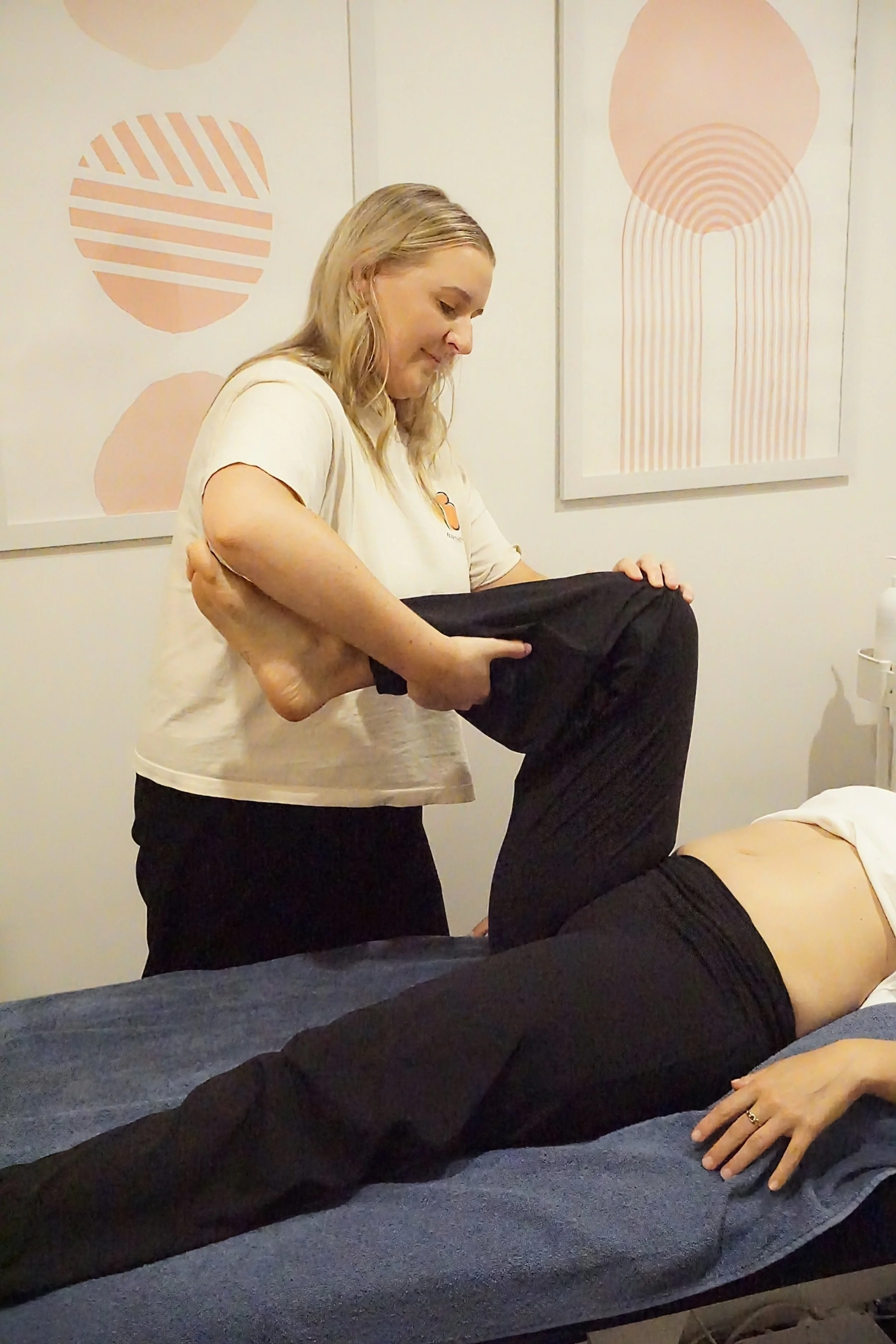
At Birthing Body AU, women’s health myotherapy and pregnancy massage provide focused, hands-on support designed to help reduce pelvic girdle pain, ease muscular tension, improve movement comfort, and support your body's comfort throughout pregnancy.
Located in Plenty and supporting women across South Morang, Diamond Creek, Doreen, Greensborough, Eltham, and surrounding areas, every session is tailored to your pregnancy stage, symptoms, movement patterns, and individual needs.
Pelvic girdle pain can develop as pregnancy places increasing physical demands on the pelvis, hips, lower back, and core. Hormonal changes, shifting posture, altered walking patterns, and increased pelvic load may contribute to feelings of instability, pressure, tension, or pain throughout the pelvis and surrounding muscles.
Whether you are experiencing pelvic pain when walking, rolling in bed, climbing stairs, standing on one leg, or discomfort through the hips, groin, or lower back, treatment is designed to support the changing demands pregnancy places on your body.
We also support related pregnancy conditions, including Sciatica Pain, Lower Back Pain, Round Ligament Pain, Hip Pain, Rib Pain, Pelvic Floor Discomfort, and pregnancy-related muscular tension.
Pelvic Girdle Pain Treatment Plenty, Diamond Creek, South Morang, Eltham, Greensborough & Doreen
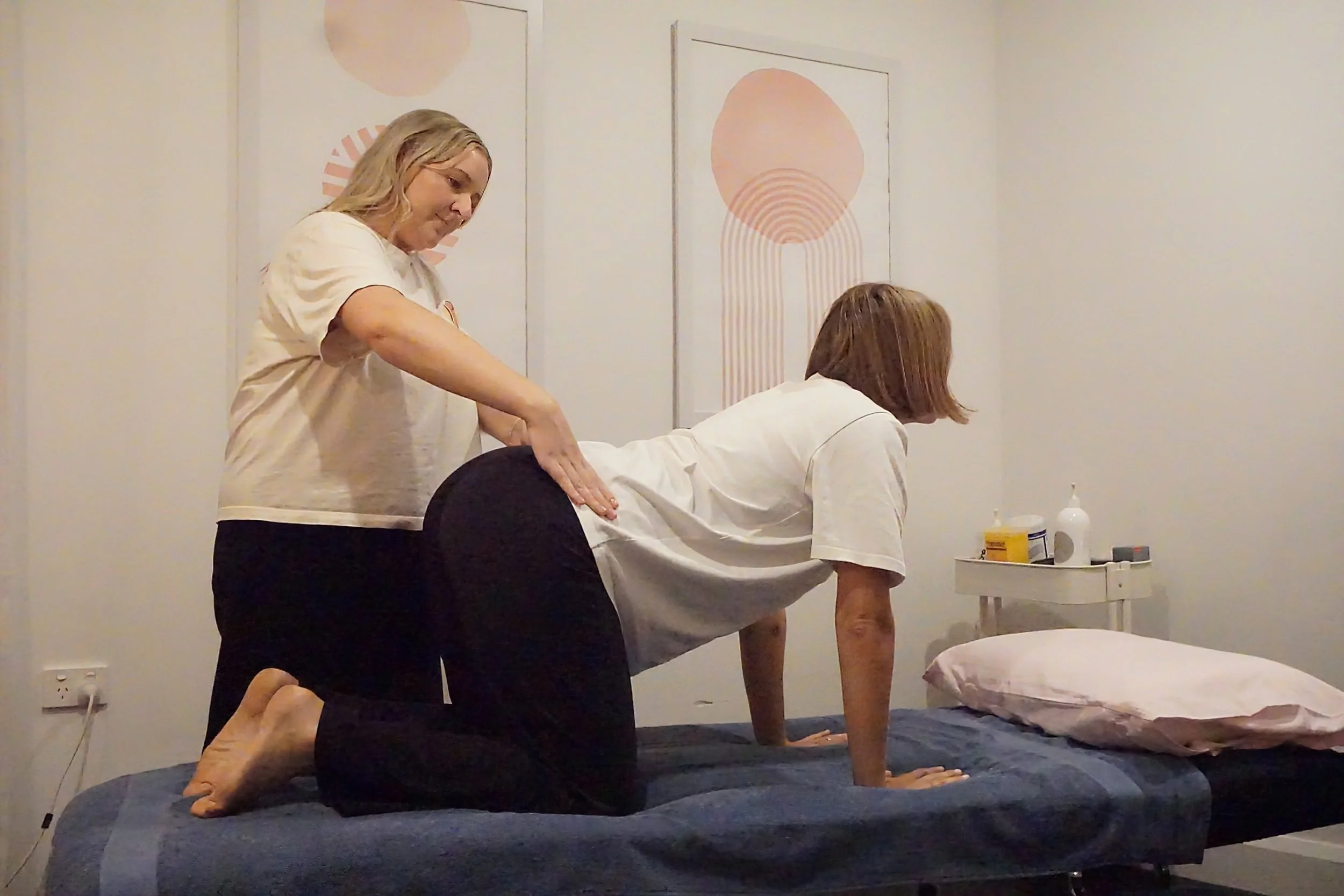
What Is Pelvic Girdle Pain?
Pelvic girdle pain is a common pregnancy-related musculoskeletal condition that affects the joints, muscles, ligaments, and connective tissues around the pelvis, hips, lower back, and surrounding areas. It may develop gradually throughout pregnancy as the body adapts to changing posture, pelvic load, hormonal changes, and movement demands, or symptoms may appear more suddenly during everyday activities such as walking, rolling in bed, climbing stairs, or standing on one leg.
Pelvic girdle pain may feel like:
Dull aching or pelvic soreness
Sharp pain with movement
Hip, groin, or lower back discomfort
Clicking or grinding sensations in the pelvis
Tightness and muscular tension
Feelings of heaviness or instability
Pain when walking, standing, rolling in bed, or getting in and out of the car
The pelvis and surrounding muscles experience significant physical changes during pregnancy as the body adjusts to support your growing baby, altered movement patterns, and increasing load through the core and pelvic floor.
At Birthing Body AU, we commonly support women experiencing pelvic girdle pain related to pregnancy, pelvic instability, muscular overload, posture changes, hip tension, and movement restrictions. Treatment is tailored to help reduce tension, improve movement comfort, support pelvic stability, and help you feel more supported throughout pregnancy.
Common Symptoms of Pelvic Girdle Pain
-
Pelvic Pain & Aching
Pelvic girdle pain may feel like ongoing aching, soreness, or discomfort through the front of the pelvis, pubic bone, hips, or lower back. Symptoms can range from mild discomfort to more persistent pain during everyday movement.
-
Pain When Walking or Climbing Stairs
Many women notice pelvic pain becomes more noticeable when walking, climbing stairs, or standing for longer periods. Single-leg movements can place additional load through the pelvis and surrounding joints.
-
Hip, Groin & Lower Back Discomfort
Pelvic girdle pain commonly affects surrounding areas including the hips, groin, glutes, and lower back. Pain may feel deep, tight, heavy, or uncomfortable during movement and daily activities.
-
Pain Rolling in Bed
Rolling over in bed is one of the most common aggravating movements for pelvic girdle pain during pregnancy. Twisting or separating the legs can increase pressure and discomfort through the pelvis and hips.
-
Pain Getting In & Out of the Car
Movements that involve stepping, twisting, or standing on one leg — such as getting in and out of the car — can commonly aggravate pelvic girdle pain and feelings of instability.
-
Clicking or Grinding Sensations
Some women experience clicking, grinding, or shifting sensations through the pelvis or pubic area during movement. These sensations may occur alongside pain, pressure, or instability.
-
Feelings of Heaviness or Instability
Pelvic girdle pain can create a feeling of heaviness, weakness, or instability through the pelvis and surrounding muscles, particularly later in pregnancy as physical load increases.
-
Muscle Tightness & Tension
The muscles surrounding the pelvis, hips, glutes, and lower back often become tight and overloaded as the body compensates for changes in posture, movement, and pelvic stability during pregnancy.
-
Reduced Comfort With Everyday Movement
Pelvic girdle pain can make everyday activities feel more difficult or uncomfortable, including walking, standing, exercise, turning in bed, getting dressed, lifting, or caring for other children.
How Myotherapy & Massage Can Help Pelvic Girdle Pain
Myotherapy and pregnancy massage may help support pelvic girdle pain by reducing muscular tension, improving movement comfort, and supporting the muscles and joints surrounding the pelvis, hips, and lower back throughout pregnancy.
Pelvic girdle pain is often influenced by posture changes, pelvic instability, altered movement patterns, hormonal changes, muscular overload, and the increasing physical demands pregnancy places on the body. Treatment focuses on addressing these contributing factors while helping the body feel more supported and comfortable during everyday movement.
At Birthing Body AU, sessions are tailored to your pregnancy stage, symptoms, lifestyle, and movement patterns. Depending on your needs, treatment may help:
Reduce pelvic tension and discomfort
Improve hip and lower back mobility
Relieve tight glute, hip, and adductor muscles
Support pelvic stability and movement comfort
Reduce muscular overload and compensation
Improve posture and breathing mechanics
Ease pregnancy-related pelvic and lower back discomfort
Support walking, rolling in bed, and everyday movement
Treatment may include a combination of:
Massage therapy
Trigger point therapy
Soft tissue release
Dry needling
Cupping
Myofascial release
Joint mobilisation
Pain education
Mobility and stretching techniques
Whether your pelvic girdle pain develops gradually throughout pregnancy or becomes more noticeable with walking, rolling in bed, standing, or daily activities, treatment is designed to help support better movement, comfort, and overall pregnancy well-being.
About Birthing Body AU
Welcome to Birthing Body, we support women through every stage of motherhood and beyond — from pregnancy to postpartum and throughout womanhood.
With a focus on compassionate, evidence-based myotherapy, each session is designed to restore balance, relieve tension, and empower women to understand and connect with their bodies.
Rooted in warmth, education, and care, Birthing Body is a space where women feel supported, seen, and strong.
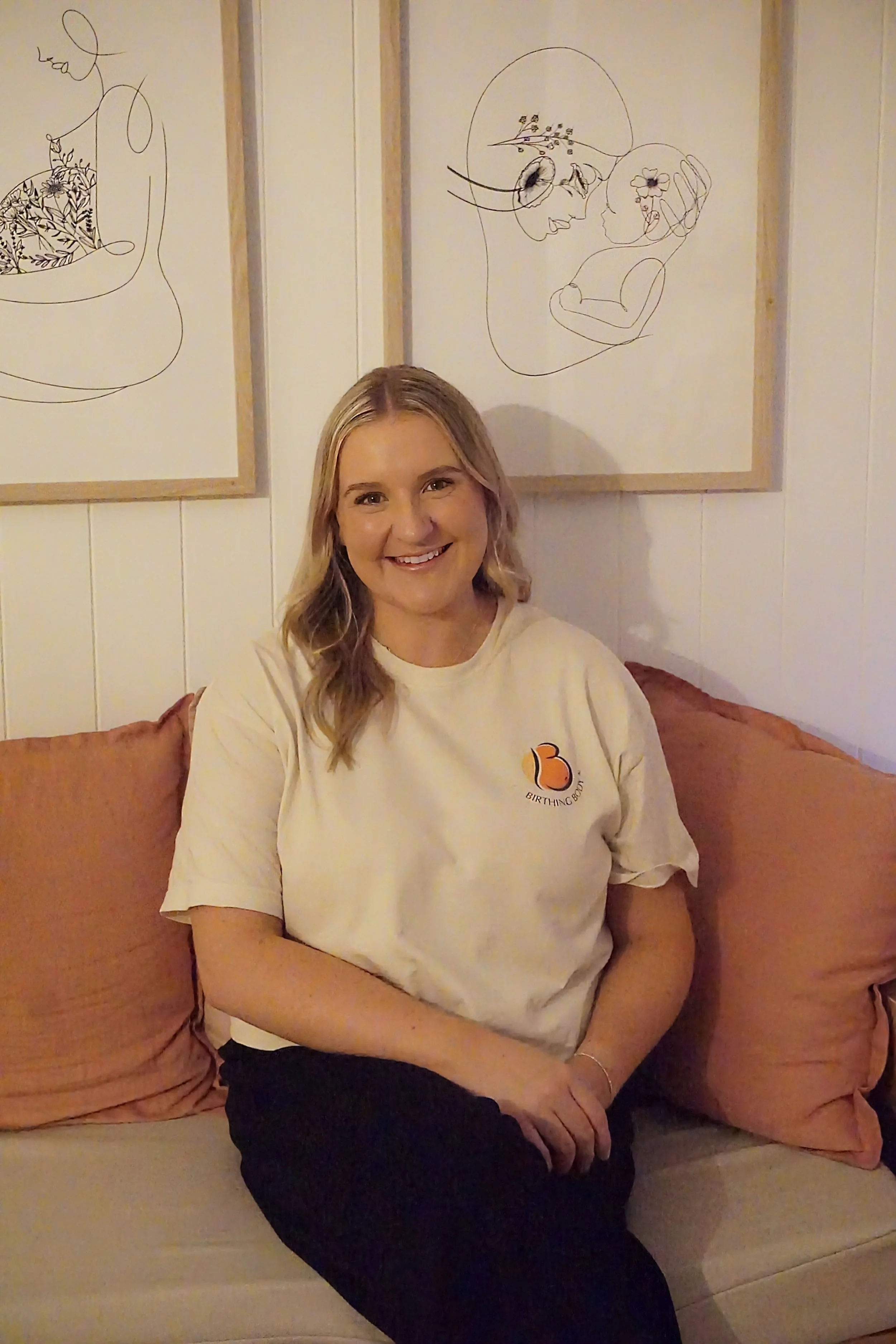
Hannah Lynch
Myotherapist & Founder
Hi, I’m Hannah — a women’s health Myotherapist, remedial massage therapist, mum of two, and the founder of Birthing Body AU. I’m deeply passionate about supporting women through Pregnancy Massage, Pregnancy Myotherapy, birth preparation, C-Section Scar Therapy, postpartum recovery, and women’s health care at every stage of life.
My own journey into motherhood changed everything. It gave me a much deeper understanding of how much women carry physically, mentally, and emotionally — especially while navigating pregnancy, recovery, parenting, work, and the ongoing demands of everyday life. I experienced firsthand how often women are expected to simply “push through” discomfort, tension, exhaustion, Back Pain, Pelvic Girdle Pain, and the constant changes happening within their bodies.
But I believe you deserve more than just coping.
That’s why my work is centred on creating a calm, supportive space where you feel heard, cared for, and understood. Whether you’re seeking support for Pregnancy Pelvic Pain, Sciatica Pain, muscle tension, postural strain, birth recovery, or general movement and wellbeing, every treatment is tailored to your body, your symptoms, and what you need support with on the day.
Using a combination of myotherapy, remedial massage, soft tissue therapy, pregnancy massage, and movement-focused care, my goal is to help reduce pain, improve movement, and support you in feeling more comfortable and connected to your body again.
At Birthing Body AU, care is about more than simply treating symptoms — it’s about supporting women through pregnancy, postpartum, recovery, movement, and everyday life with a gentle, evidence-informed, and holistic approach.
What Sets Birthing Body Apart
At Birthing Body, you’re not just another appointment — you’re a woman moving through one of the most transformative seasons of your life. Our care is grounded in understanding, connection, and truly listening to what your body needs, so you feel supported every step of the way.
Personalised Care That Adapts to You
Every session is shaped around how you’re feeling on the day — your body, your baby, and your experience always come first.
Truly Women-Centred Support
With a deep focus on pregnancy, birth, and postpartum, you’re supported by someone who understands the physical and emotional changes of motherhood.
Comfort, Safety & Space to Exhale
From the way you’re positioned to the pace of treatment, everything is designed to help you feel safe, held, and able to fully relax.
Support Beyond the Treatment Room
You’ll leave with simple, practical guidance to help you feel more comfortable, confident, and connected to your body between sessions.
Frequently Asked Questions About Pelvic Girdle Pain
-
Pelvic girdle pain (PGP) is a common pregnancy-related condition that affects the joints, muscles, and connective tissues around the pelvis, hips, groin, and lower back. It can cause discomfort, instability, tightness, or pain during movement and everyday activities.
-
Pelvic girdle pain is often influenced by hormonal changes, posture adaptations, altered movement patterns, increased pelvic load, muscle tension, and the physical demands pregnancy places on the body as your baby grows.
-
Pelvic girdle pain may feel like:
aching through the pelvis or pubic bone
hip or groin pain
lower back discomfort
pain rolling in bed
clicking or grinding sensations
heaviness or instability
pain when walking, climbing stairs, or standing on one leg
Symptoms can vary from mild discomfort to more persistent pain.
-
Yes. Pelvic girdle pain is very common during pregnancy due to the physical and hormonal changes the body experiences. While common, ongoing pain or significant movement discomfort should not simply be ignored.
-
Pregnancy massage may help reduce muscular tension, improve relaxation, support circulation, and relieve discomfort around the pelvis, hips, glutes, and lower back during pregnancy.
-
Women’s health myotherapy may help support pelvic girdle pain by addressing muscular overload, movement restrictions, posture changes, and tension surrounding the pelvis and lower back. Treatment is tailored to your symptoms, pregnancy stage, and comfort levels.
-
Pelvic girdle pain is commonly aggravated by:
walking
climbing stairs
rolling in bed
getting in and out of the car
standing on one leg
prolonged standing
large stride lengths
twisting movements
-
For some women, symptoms improve after birth, while others may continue to experience pelvic discomfort, instability, or muscular tension postpartum. Early support and rehabilitation may help improve recovery and movement confidence.
-
No referral is required to book myotherapy or massage treatment at Birthing Body AU.
-
In many cases, gentle and appropriately guided movement may still be beneficial. However, exercise should be symptom-guided and individualised. High-impact or aggravating movements may worsen discomfort for some women.
Book An Appointment
Booking Notice
Women’s health myotherapy sessions are designed for women who are not currently pregnant or in the early postpartum period. If you are pregnant or have recently given birth, please book a pregnancy or postpartum-specific appointment, as these treatments are tailored to safely support your body during those stages.
If you’re unsure which option is right for you, feel free to get in touch — we’re here to help guide you.