
Understanding Pregnancy Pain: Why It Happens and How to Find Relief
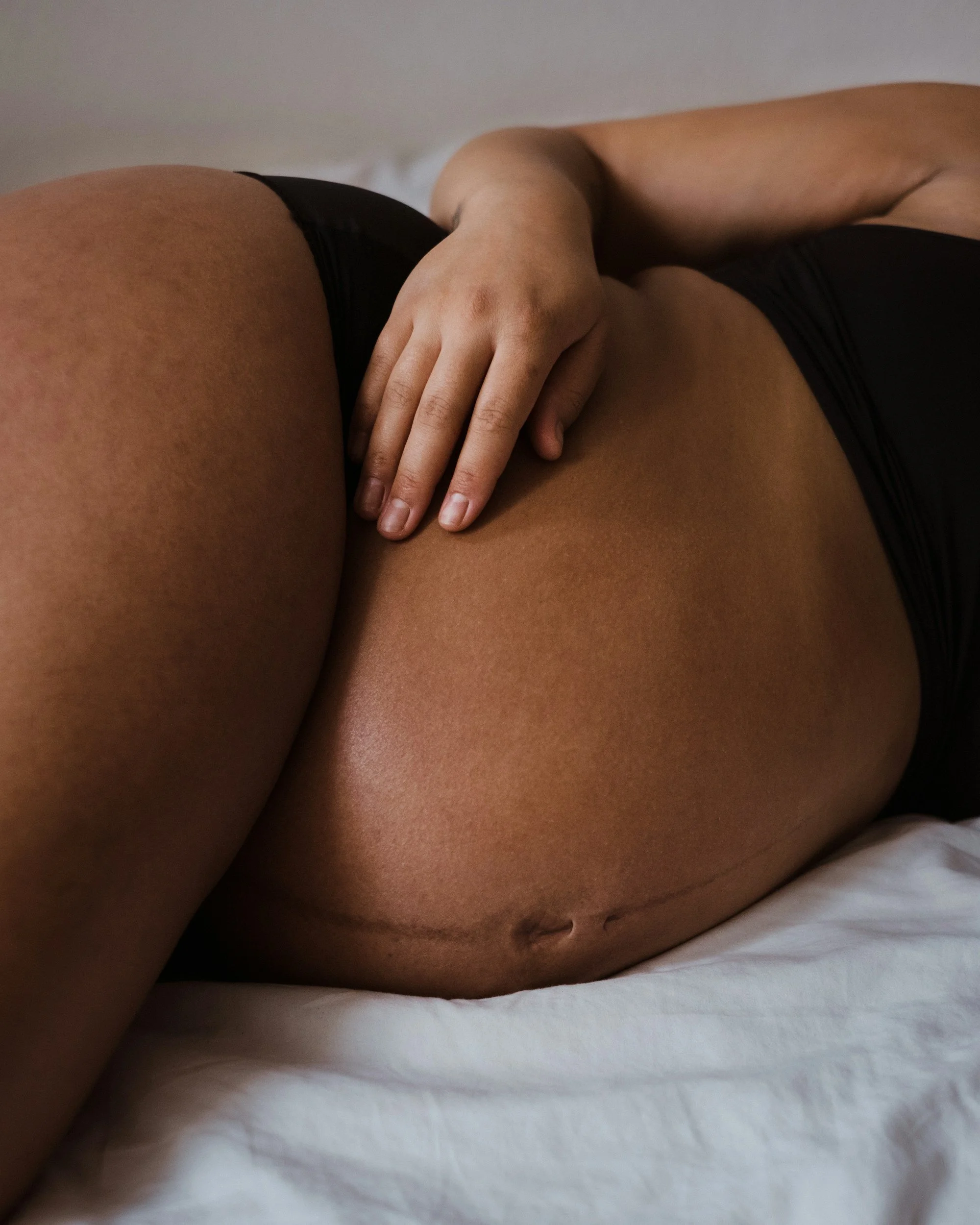
Pregnancy is one of life's biggest transformations, bringing enormous physical and emotional change. Along with a growing baby often comes new aches, pains, and sensations that can leave you wondering what's normal.
The good news is that most pregnancy-related pain is common and manageable. Understanding why it happens can help you feel more confident and know when to seek support.
Why Pain Happens During Pregnancy
Pregnancy places unique demands on the body. As your baby grows, your muscles, joints, connective tissues, and nervous system all adapt to increasing demands. Changes in hormones, body weight, posture, movement patterns, and the way forces are transferred through the pelvis can all contribute to discomfort.
Despite popular belief, the physical and hormonal changes that happen in pregnancy are unlikely to be the sole cause of pregnancy pain. Pain is influenced by a combination of these physical and hormonal changes, as well as sleep, stress, previous pain experiences, and the demands of everyday life.
Pain is not always a sign that something is wrong. During pregnancy, the nervous system can become more protective, meaning discomfort may occur even without injury.
Common Types of Pregnancy Pain
Learning to understand the nature of the pain you’re experiencing and why can empower you to manage it with greater confidence - knowledge is key.
Pelvic girdle pain
Pelvic girdle pain (PGP) is pain felt around the pelvis, buttocks, groin, or pubic area. It may feel sharp, aching, or create a sensation that the pelvis is unstable. It is often aggravated by walking, climbing stairs, getting in and out of the car, rolling over in bed, or standing on one leg to get dressed.
Although it can be very painful, PGP does not necessarily mean your pelvis is unstable, "out of alignment," or damaged. Research suggests it is influenced by changes in load transfer, muscle function, and nervous system sensitivity. Despite popular belief, the hormone relaxin is not thought to cause pelvic instability, and current evidence does not show a consistent relationship between relaxin levels and pelvic girdle pain. Your pelvis remains a strong and stable structure throughout pregnancy.
Dull aches, sharp twinges or pain in your lower back are among the most common complaints of pain during pregnancy, especially in the second and third trimesters. It often develops due to the increased physical demands placed on the spine and surrounding muscles rather than any specific injury.
Sciatica
Many pregnant women describe pain that travels from the lower back or buttock down the back of the leg, often referring to it as sciatica.
True sciatica, caused by compression or irritation of the sciatic nerve, is actually less common than many people think. More often, these symptoms are related to muscular tension, changes in movement patterns, or referred pain from the lower back or pelvis.
Symptoms may include:
Pain through the buttock.
Tingling or burning down the leg.
Pain that worsens with prolonged sitting or certain movements.
Your growing belly and uterus needs ongoing support by stretching of ligaments - this can cause sharp, brief pain on one or both sides of your lower belly. It is most common during your second and third trimesters and can happen more often than not when you make quick movements like turning over in bed or changing positions quickly.
Leg cramps
Nighttime leg cramps can be a frequent occurrence - striking suddenly with significant intensity. The exact cause remains unclear, but factors such as muscle fatigue, altered circulation, nerve excitability, and changes in mineral metabolism have all been proposed. Staying well hydrated, maintaining gentle movement throughout the day, and regular calf stretching may help reduce their frequency.
Wrist and Hand Pain
Many women experience numbness, tingling, pain, or weakness in their hands during pregnancy, particularly at night or first thing in the morning. This is often due to increased fluid retention placing pressure on the median nerve as it passes through the wrist, leading to symptoms of carpal tunnel syndrome. Activities that involve repetitive gripping or prolonged wrist positions may make symptoms worse.
Hip Pain
Hip pain is a common complaint during pregnancy and may be felt deep in the joint, through the outer hip, or around the buttock region. As your body adapts to a changing centre of gravity, the muscles and joints around the hips often take on different loads and movement patterns. Reduced strength, altered walking mechanics, and sleeping positions can all contribute to discomfort, particularly during the second and third trimesters.
Rib and Mid-Back Pain
As the uterus grows, the rib cage gradually expands and the diaphragm shifts upward to make room for your baby. These normal adaptations, combined with changes in posture and increased demands on the muscles between the ribs and around the thoracic spine, can lead to aching, tightness, or sharp discomfort through the ribs and mid-back. Symptoms often become more noticeable later in pregnancy as the baby grows larger.
Neck and Shoulder Tension
Neck and shoulder pain is often overlooked during pregnancy but can be surprisingly common. Changes in posture, breast enlargement, increased muscle tension, and altered sleeping positions can all place extra demand on the upper back and shoulders. Stress and fatigue may also contribute, as the nervous system can respond to emotional and physical demands by increasing muscle tension in these areas. For many women, these symptoms become even more noticeable after birth with feeding and carrying their baby.
Practical Ways to Find Relief
Many pregnant women find relief through simple, gentle strategies. Rather than trying to "fix" your body, focus on supporting it as it adapts to pregnancy. Small, consistent changes can make a big difference.
Simple strategies often make a big difference:
Keep moving with gentle activities such as walking, swimming, stretching, or prenatal yoga.
Use supportive equipment like a belly band, tubigrip, or pregnancy pillow.
Change positions regularly and avoid prolonged standing or sitting.
Rest when your body needs it.
Use warm (not hot) baths or heat packs to relax tight muscles.
Prioritise sleep, as poor sleep can increase pain sensitivity.
You don't need to do everything perfectly. Small, consistent habits can help support your body through the changes of pregnancy.
The Emotional Side of Pregnancy Pain
Pain is influenced by more than physical changes alone. Stress, anxiety, poor sleep, and feeling unsupported can all increase the nervous system's sensitivity.
Pregnancy often comes with significant life changes - preparing for birth, navigating work, caring for older children, financial pressures, and the transition into motherhood itself. These factors can increase overall stress levels and, in turn, affect pain sensitivity.
This does not mean pregnancy pain is "all in your head." Rather, it acknowledges that the brain and body work together to produce pain.
Social factors also matter. Feeling supported by family, friends, healthcare providers, and your wider community can positively influence recovery and reduce fear around movement.
Education can be particularly powerful. Understanding that pain does not necessarily mean harm often helps women feel more confident staying active and trusting their bodies.
When to Seek Help
While pregnancy-related aches and pains are common, they should not simply be dismissed as something you have to tolerate.
Consider seeking assessment from a qualified healthcare professional if:
Pain is limiting your ability to walk or complete daily activities.
You are avoiding movement because you fear causing harm.
Symptoms are worsening despite simple self-management strategies.
Pain is significantly affecting your sleep or mental wellbeing.
You experience numbness, significant weakness, uterine bleeding, changes in bladder or bowel function, or any symptoms that concern you.
Sudden swelling, headaches or vision changes
Early intervention can often prevent symptoms from becoming more severe and help you stay active throughout pregnancy.
Pregnancy asks a lot of your body. Experiencing pain does not mean your body is failing or that something is necessarily wrong. More often, it reflects the complex interaction between physical adaptation, the nervous system, and the many demands of this unique season of life. With the right support, gentle care and awareness of your body’s signals, you can navigate these changes with more confidence and comfort. You got this Mama.
