
The Best Sleeping Positions When You’re Pregnant
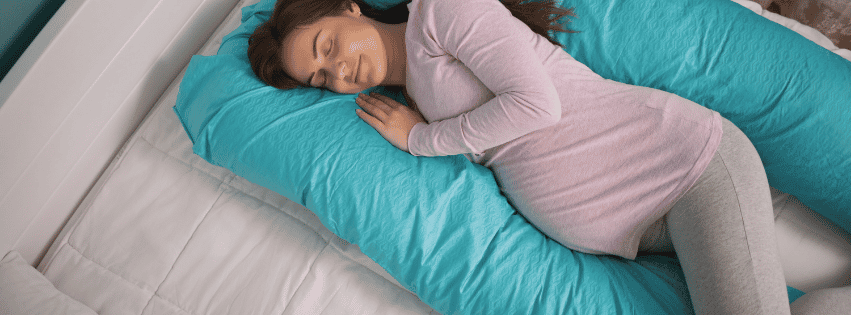
So you’re pregnant, tired and a random lady in the street stops to tell you “Make sure you get all the sleep you can now before the baby comes!” If only it was that easy right? As your pregnancy progresses, getting a good night’s sleep can feel harder as each week passes. There are significant physical changes happening in your body and it can make restful sleep more challenging.
The reality is that your sleep is naturally changing and interrupted during pregnancy due to an abundance of reasons- what matters most is understanding what’s recommended, things to avoid and how to make yourself as comfortable as possible!
Why Sleep Becomes Harder During Pregnancy
Sleep difficulties are extremely common during pregnancy, especially as your body changes to support your growing baby. Multiple factors can make sleep more challenging:
Physical changes: As your uterus expands, it can place pressure on your back, hips and internal organs.
Pain and discomfort: Hip pain, lower‑back aches and pelvic pressure often increase as pregnancy progresses - this can sometimes lead to pelvic girdle pain.
Restlessness: Hormonal shifts, increased nighttime bathroom trips and general body discomfort can make it harder to fall and stay asleep.
Although trying to find a comfortable sleeping position may seem like a nightly battle, rest assured these changes are completely normal.
Best Sleeping Position
Your doctor, midwife or allied health professionals will generally recommend side sleeping during pregnancy, especially in the second and third trimesters. This position reduces pressure on major blood vessels and helps support healthy placental circulation, reducing risk of stillbirth.
Left or Right Side?
You may have heard that the left side is best, but here’s the important part: Both the left and right sides are safe.
If you find one side more comfortable than the other, it’s perfectly fine to switch! Many people alternate sides throughout the night to relieve hip or back discomfort.
What About Sleeping on Your Back?
Sleeping on your back becomes less ideal as you move into the second and third trimesters. Lying flat for long periods may put pressure on one of the largest veins in the body called the inferior vena cava- it’s responsible for carrying deoxygenated blood to your heart. Sleeping long periods laying flat may also put pressure on the aorta. This may cause a reduction in circulation in the lower half of the body, which in turn may also affect the blood flow and nutrients to the placenta.
If you wake up and you are on your back, which is definitely likely - don’t panic! Your body will naturally shift when something isn’t right, and waking up on your back doesn’t mean you’ve done anything harmful.
Simply roll onto your side and get comfortable again.
How to Get Comfortable
There’s no one-size-fits-all approach to sleeping comfortably during pregnancy, but a few supportive tools can make a big difference in the quality of your sleep.
Use Pillows Strategically
Pillows can help relieve pressure and keep your body aligned:
Between your knees: Helps keep your hips level and reduces lower‑back strain. Under your belly: Supports the weight of your bump and prevents pulling on your torso. Behind your back: Stops you from rolling onto your back and provides extra stability.
Pregnancy Pillows
Pregnancy pillows are a great way to support sleep and positioning for a full-body support. There are multiple pregnancy pillows on the market including U‑shaped, C‑shaped or full body and some even doubling as a breastfeeding pillow once your baby is here. Some people love them; others prefer a few regular pillows. There is no right or wrong decision, the best choice is whatever helps you feel most comfortable!
Remember: Comfort Is Personal
Every pregnancy and body is different. What works beautifully for one person may not work for another and remember- each night may likely feel different. Experiment with different pillow setups and positions until you find what feels right for your changing body.
Common Sleep Issues
Just as you think you’ve found the right position- somehow you may still experience some discomfort. Making small tweaks can make a big impact on the quality of your sleep. Here are some common sleep challenges and simple adjustments that can help:
Hip Pain
Add a thicker pillow or pregnancy pillow between your knees
Switch sides throughout the night to alleviate pressure on your hips
Try a softer mattress topper for extra cushioning
Lower‑Back Pain
Place a pillow under your belly for support
Keep your spine aligned by avoiding twisting
Use a pillow behind your back to prevent rolling
General Discomfort
Elevate your upper body slightly
Stretch gently before bed
Meditate to calm your mind and drift off into a restful sleep
How Birthing Body Can Help
If sleep discomfort is becoming overwhelming, pregnancy massage and pregnancy myotherapy can offer targeted relief. At Birthing Body, our treatment focuses on:
Releasing muscular tension caused by postural changes
Improving mobility in the hips, pelvis, and lower back
Reducing pain that interferes with sleep
Supporting your body’s natural alignment as your pregnancy progresses through each trimester
You’ll also receive personalised guidance on sleep positions, optimal pillow setups and daily habits that can help you rest more comfortably.
Book a pregnancy myotherapy session today and start sleeping more comfortably!
